

We Make Your Restaurants a Success Story
A restaurant’s success or failure is closely connected to the attitude of its restaurant management and the vision and mission behind the business.Many of us may think that having a vision is something only large companies need and has little to do with a small restaurant business. But before starting any business, we need to understand what we want to achieve, how we are going to achieve it and what purpose we want to serve within the community.
Over time, we have identified 12 key factors that can influence restaurant business success or failure. These factors are informative rather than a 100% proven formula. However, through our research and what we have learned from different restaurant case studies, we believe considering these areas when planning or reassessing your restaurant can help greatly.
1. Name of the Restaurant
The restaurant name is vital, which is why it comes first on our list.When chosen well, even a single name can communicate the cuisine, style of service and atmosphere while being strong enough to create curiosity. Names such as Wagamama, Bella Italia and Las Iguanas are examples where the branding gives customers an idea of what the restaurant represents. Other familiar examples include Burger King, Pizza Hut, Dunkin’ Donuts and KFC. There are also restaurants made famous through the chef associated with them. Alain Ducasse, Jamie Oliver, Gordon Ramsay, Joël Robuchon, Charlie Trotter and Paul Bocuse are examples where the chef’s name itself became a powerful part of the restaurant brand.
2. Tagline for the Restaurant
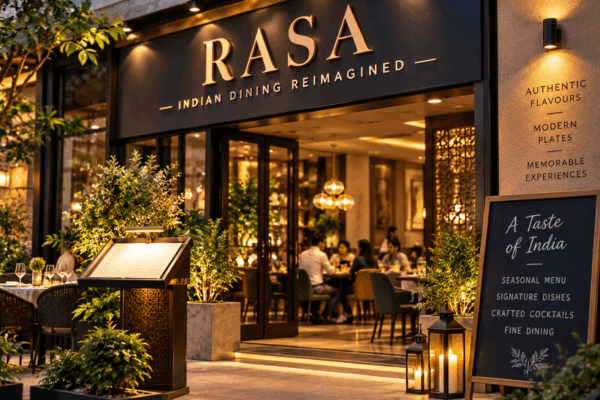
A good tagline should work naturally with your restaurant name and identity.It should be memorable, communicate something about the business and help differentiate you in a crowded market. Most importantly, keep it simple.Some famous examples outside the restaurant industry demonstrate how powerful a simple tagline can become: Nike’s “Just Do It” and Adidas’ “Impossible Is Nothing.”
The same principle can be applied when developing restaurant branding.
3. Knowledge of the Trade
You need to understand the trade you are planning to invest in.If you don’t have sufficient industry knowledge yourself, you should be able to employ strong managers who understand the business.Good knowledge of the trade helps you make better decisions about the direction of your restaurant.
4. Restaurant Business Plan
A restaurant business plan should clearly explain your goals, why you believe those goals are achievable and how you intend to reach them.
It can also include background information about the organisation and the people behind the business.
When an existing restaurant is planning a major change, or when you are developing a completely new venture, a three-to-five-year business plan can help provide direction and give potential investors a clearer understanding of the business.

5. Food, Service and Atmosphere
These three elements need to work together.If you are planning a speciality restaurant, the food, service and atmosphere should complement one another.
Research what your customers actually want. If you are introducing a concept that has not been tried in your market, consider whether it can work over the long term and what may happen if direct competition arrives.Service needs to be customer-oriented. Guests should feel relaxed and valued when they are served by your team. Training and the service culture you develop are therefore extremely important.The atmosphere should also reflect the style of food and service. If you are planning a fine-dining restaurant, for example, the surroundings may be formal or semi-formal, with suitable furnishings, fixtures and lighting.
6. Customer Relations and Engagement
When planning your restaurant customer service, start with one simple rule:
Treat your customers the way you would want to be treated.
It is easy to say, but much harder to achieve consistently.Train your team with this principle in mind. Involve regular customers when planning events such as new-menu tastings, wine tastings or new wine arrivals.
Build a useful customer database and encourage good communication between staff and guests. Personalised invitations for birthdays and other special occasions can help strengthen the relationship between your restaurant and its customers.
Customer engagement can also go beyond the dining room through food courses, home delivery or special experiences. If you receive an unusual catch of the day or a special imported ingredient, for example, you could invite customers to see the preparation and taste it with your chefs.

7. Media Presence
For a service business, particularly a restaurant, media presence and restaurant marketing are increasingly important.The internet gives restaurants many ways to stay connected with customers. Your website, social media, blog, recipes and cooking videos can all become part of your communication.Building relationships with local newspapers, magazines, food writers and restaurant critics can also help when you have events or stories worth highlighting.
8. People Working for You
Your team can become one of your strongest marketing tools.Make employees feel proud to work for your restaurant and they are more likely to care about the business.
Consider incentives when staff bring direct business, discounts for their families and friends, and good-quality branded merchandise that employees genuinely want to use.Recognition does not always need to cost money.
Find different ways to appreciate good work, even when somebody is simply doing their everyday job well.
Make your people feel valued.

9. Evolving the Concept with Demand
Keep yourself updated about competitors, developments in the food service industry, local eating habits and changes within your target market.Be willing to make changes without losing the core identity of your restaurant.This might mean adding or reducing menu items according to customer expectations or creating family spaces to meet the needs of your local market.
10. Flexibility of the Business
Flexibility can be an important part of restaurant business success.A restaurant may need to adapt to the requirements of its local community, customers and regulations.One familiar example is McDonald’s adapting its menu for the Indian market by introducing vegetarian products and changing its offering to suit local preferences.
The lesson is simple: a strong business concept still needs enough flexibility to work within the market it serves.
11. Seizing Opportunities
An opportunity in business can either become a success story or provide valuable experience.Stay open to opportunities that arrive at your doorstep.
Even when a competitor opens nearby, don’t automatically shy away from them. Building a professional relationship could eventually result in referrals, useful information or opportunities for both businesses.If property development is taking place near your restaurant, for example, you could offer catering for the workers at a suitable rate with a menu different from your regular restaurant menu.
That relationship could later lead to catering opportunities when the new businesses or properties become operational.

12. Community Development
Remember the community that supports your restaurant and find ways to give something back.This could include training local people and helping them develop knowledge and skills within the food industry.Recruiting locally can also benefit the restaurant and its surrounding community, provided proper recruitment procedures and training are followed.
Depending on the business model and local food-safety requirements, there may also be opportunities to work with local suppliers or small businesses for suitable elements of the restaurant operation.Many of these steps don’t require large amounts of money. When approached carefully, community involvement can build goodwill while creating a stronger relationship between your restaurant and the people around it.