

Beyond Curry Cookbook: Exotic Fruits for Creative Restaurant Menus
The Beyond Curry cookbook by Fine Dining Indian explores more than traditional recipes. It also encourages chefs to look beyond familiar ingredients and discover products that can bring new flavours, textures and visual interest to modern restaurant menus.
One area explored in the book is the use of unusual and exotic fruits. Ingredients such as baobab, kaki, dragon fruit, carambola and tamarillo may not be common in every professional kitchen, but each offers distinctive characteristics that can inspire creative dishes, desserts, drinks and garnishes.
This guide introduces some of those fruits and the culinary possibilities they can offer.
.
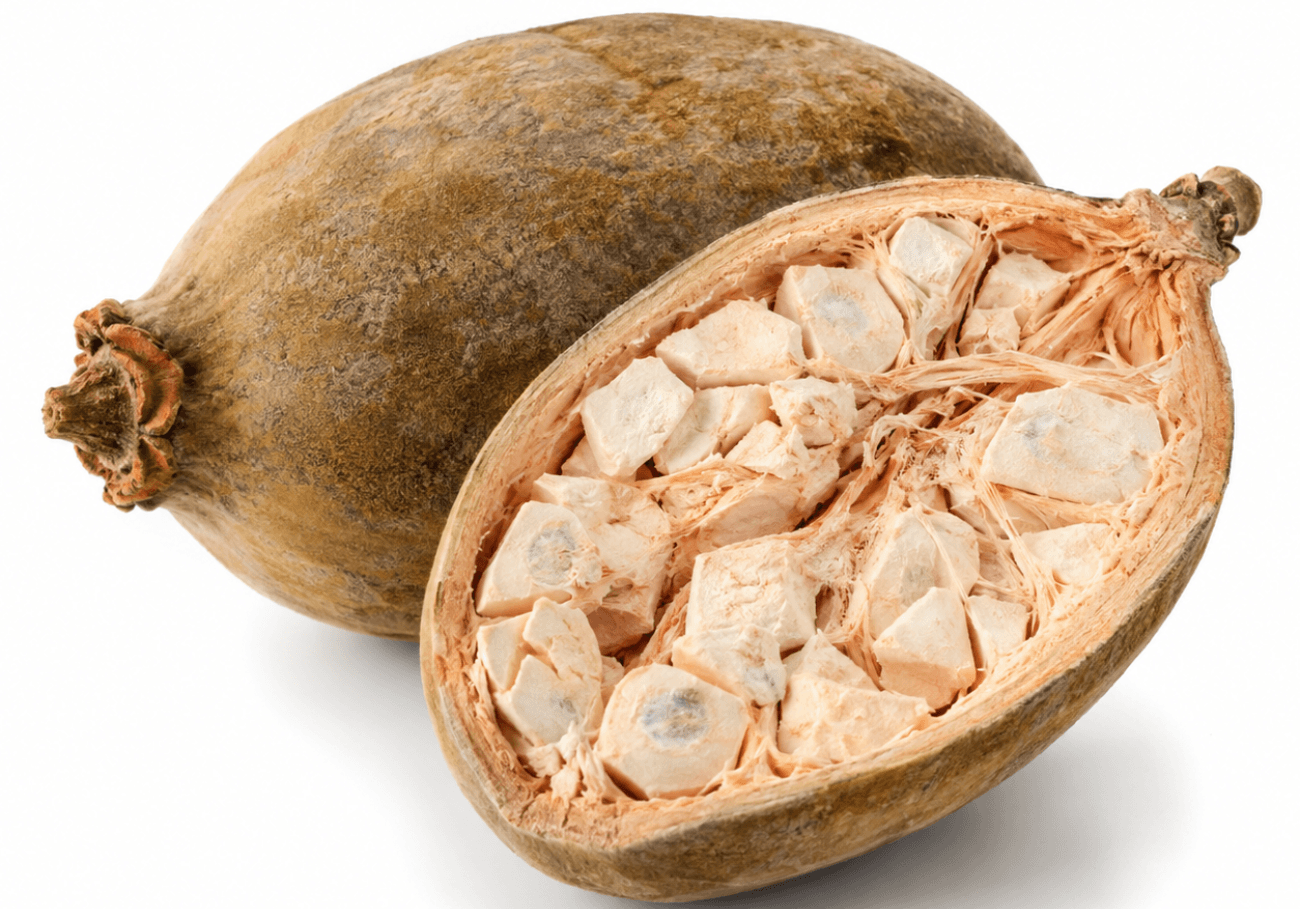
Baobab
Baobab is known for its distinctive tangy flavour and naturally dry, powdery fruit pulp.
Its acidity can make it useful in modern culinary applications where chefs are looking for a sharp fruit element.
Potential uses include:
- Drinks and smoothies
- Sorbets
- Dessert sauces
- Yogurt-based preparations
- Fruit powders and garnishes
- Its unusual flavour profile can work particularly well when balanced with sweeter ingredients.
Kaki / Persimmon
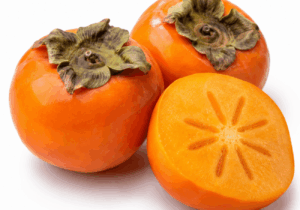
Kaki, commonly known as persimmon, develops a soft and naturally sweet texture when fully ripe.
It can be used in:
- Desserts
- Fruit salads
- Purees
- Chutneys
- Compotes
- Plated fruit preparations
The colour of the fruit can also provide a strong visual element when designing a fine-dining plate.
Dragon Fruit
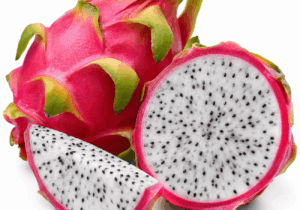
Dragon fruit is immediately recognisable because of its bright exterior and contrasting flesh.
Its flavour is relatively delicate, which makes presentation and texture particularly important.
Possible applications include:
- Fresh fruit plates
- Desserts
- Sorbets
- Smoothies
- Fruit salads
- Garnishes
It can be especially effective when combined with stronger flavours that provide contrast.
Carambola / Star Fruit
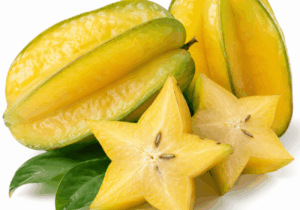
Carambola is commonly known as star fruit because of the star-shaped slices produced when the fruit is cut across.
For chefs, this natural shape makes it particularly useful as a garnish.
It may be used in:
- Fruit salads
- Drinks
- Desserts
- Chutneys
- Fresh garnishes
- Plated dishes
Its appearance can add visual interest without requiring complicated preparation.
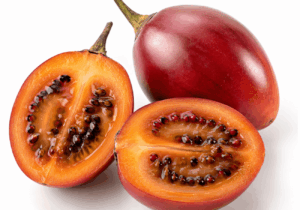
Tamarillo
Tamarillo is sometimes called the tree tomato.
Its flavour can combine sweetness with noticeable acidity, making it suitable for both sweet and savoury preparations.
Chefs may explore it in:
- Chutneys
- Sauces
- Relishes
- Desserts
- Fruit compotes
- Accompaniments for savoury dishes
Its acidity can be especially useful when a dish requires contrast against rich or fatty components.
Using Unusual Ingredients with Purpose
Creative cooking does not mean adding unfamiliar ingredients to every dish.
The best results come when the ingredient supports the overall flavour, texture and presentation of the plate.
When experimenting with exotic fruits, chefs should consider:
Flavors Texture Color Seasonality Menu Relevance
These questions help turn experimentation into thoughtful menu development.
Beyond Curry and the Fine Dining Indian Approach
Hover Box Element
The idea behind Beyond Curry is to look at Indian cuisine and professional cooking with a broader perspective.
Rather than limiting Indian food to familiar curry-based dishes, the Fine Dining Indian approach explores ingredients, techniques, presentation and ideas that can help chefs develop more contemporary menus.
Learning about unusual fruits is one part of that process.
It encourages chefs to look beyond familiar ingredients and consider how global produce can be used thoughtfully within modern cooking.