Modern Indian Tapas Menu Ideas for Bars & New-Age Chefs
Tapas originated in Spain as small plates or snacks served alongside drinks. Over time, the idea developed into a style of dining where guests can order several small dishes and share them across the table.That same concept works extremely well with Indian cuisine.India already has a huge variety of snacks, kebabs, chaats and small dishes that can easily be adapted into a modern Indian tapas menu.
Why Indian Cuisine Works for Tapas
Indian food naturally offers variety.A single menu can move from something light and fresh to something spicy, grilled, fried or slow cooked. Serving these dishes in smaller portions allows guests to try several flavours rather than committing to one large main course.
For chefs, it also creates plenty of room for creativity.Traditional dishes can be presented in smaller portions, combined with modern plating or adapted to suit a bar environment without losing their Indian character.
Indian Tapas Menu Ideas
A modern tapas menu could include dishes such as:
- Mini paneer tikka
- Tandoori prawns
- Lamb seekh kebab bites
- Mini samosas
- Papdi chaat
- Aloo tikki with chutneys
- Spiced cauliflower bites
- Chicken tikka skewers
- Mini dosa rolls
- Kerala-style fried fish bites
The aim is not simply to make everything smaller.
Each plate should still feel complete, with the right balance of flavour, texture and presentation.
A Good Format for Bars
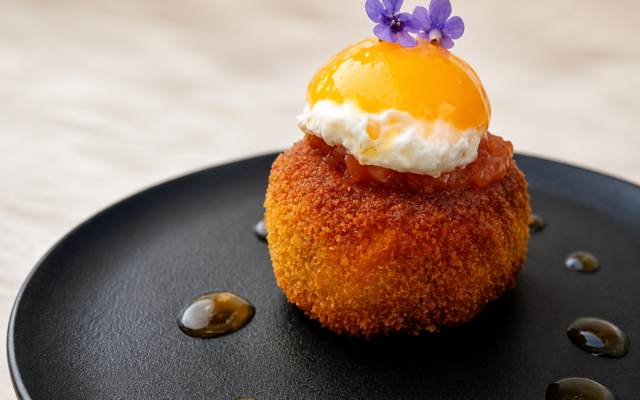
An Indian small plates menu can work particularly well in bars and casual fine-dining restaurants.
Guests can order a few dishes with drinks, share plates with friends or build several tapas into a complete meal.
For the restaurant, small plates can also help showcase more of the chef’s menu and encourage guests to explore unfamiliar dishes
Keep the Menu Creative but Practical
When developing a tapas menu, think about:
- dishes that can be served quickly
- items that are easy to share
- different textures and cooking methods
- vegetarian and non-vegetarian balance
- portions that work with drinks
- presentation that remains practical during busy service
A successful Indian tapas menu should feel informal enough for sharing while still showing the skill and identity of the kitchen
For new-age chefs, it is a good format for experimenting with Indian flavours without turning the menu into overly complicated fine dining.
Modern Indian Tapas Menu
Kamal Kakdi Fritters
with Tamatar Mirch Chutney
Crisp lotus root fritters coated in spiced batter, served with roasted tomato and red chilli relish.
Bhutte Ki Tikki
with Mint Air
Mini baby-corn patties served with a light mint and yoghurt air.
Bater Ande Bhurji Masala
with Alba Truffle Shavings
Spiced quail egg bhurji finished with delicate Alba truffle shavings.
Tandoori Khargosh Tangdi
with Kashmiri Apple Chutney
Rabbit leg marinated with Indian spices, cooked in the tandoor and paired with Kashmiri apple chutney.
Kariveppilla Kanava Porichathu
Kerala-style calamari fritters flavoured with curry leaves and spices.
Mini Galouti Kebab
with Edible Gold Leaf
A small-plate version of the classic Galouti kebab, finished with a touch of edible gold leaf.
The Idea Behind the Menu
This Indian tapas menu shows how familiar regional dishes can be adapted into smaller portions without losing their original identity.
The idea is to combine Indian flavours with contemporary presentation, giving chefs room to experiment with texture, plating and portion size while keeping the food recognisably Indian.
For bars and modern restaurants, dishes like these can work well as Indian small plates, sharing dishes or premium bar snacks.