Traditional Kerala Cuisine Ingredients
Kerala cuisine has a wide variety of ingredients that are closely connected to the land, climate and traditional way of cooking. Tapioca, banana, brown rice, coconut, tubers, jackfruit and drumstick are some of the ingredients commonly found in Kerala kitchens.
Many of these ingredients have been used for generations and continue to play an important part in everyday Kerala food.
Tapioca
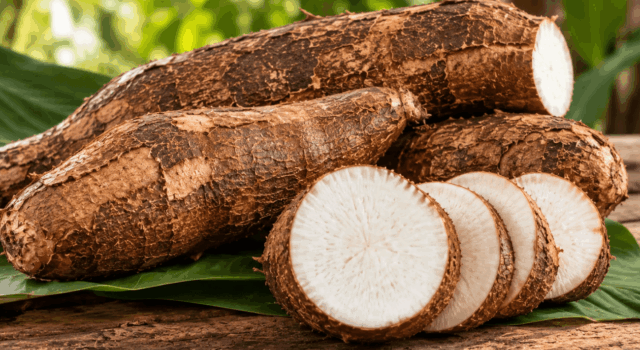
Tapioca is the fully grown root of the cassava or yuca plant. It is often used to thicken soups and also forms part of many traditional dishes.Kerala is one of the states in India where tapioca is widely eaten as a staple food. Tapioca is gluten-free and contains very little protein.In Kerala, one of the best-known combinations is tapioca served with spicy fish curry. It is a simple combination, but one that has a special place in Kerala cuisine.
Yam – Chena
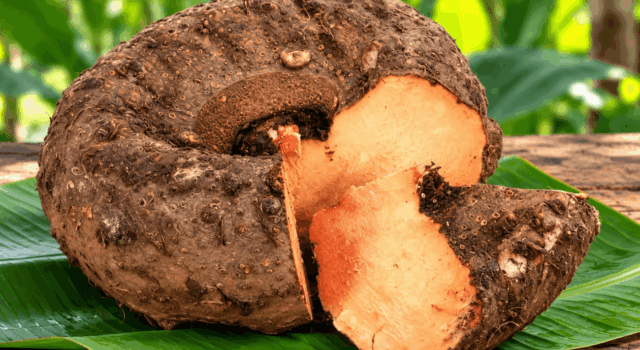
Chena, or elephant foot yam, is another tuber commonly used in Kerala cooking.Unlike colocasia, the root is harder and generally requires longer cooking. Yam works particularly well in stews. It can also be stir-fried, although pre-cooking is advisable before frying.Chena remains a familiar ingredient in traditional Kerala vegetarian cooking.
Coconut
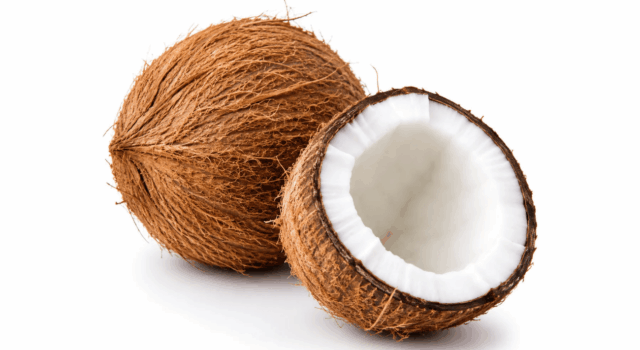
The name Kerala itself is traditionally associated with kera, referring to the coconut tree, while coconut is called nalikeram.Kerala cooking would be difficult to imagine without coconut.
Coconut is mainly used in three forms:
- Grated coconut
- Coconut milk
- Coconut oil
These three forms appear throughout traditional Kerala cuisine.Grated coconut is used in vegetable preparations, chutneys and side dishes. Coconut milk gives richness to curries, stews and desserts, while coconut oil provides the distinctive aroma associated with many Kerala dishes.Coconut oil contains a high proportion of medium-chain fatty acids and is naturally saturated. Virgin coconut oil is also a source of lauric acid and vitamin E.For traditional Kerala cooking, coconut is not simply another ingredient—it is part of the character of the cuisine.
Kerala Banana
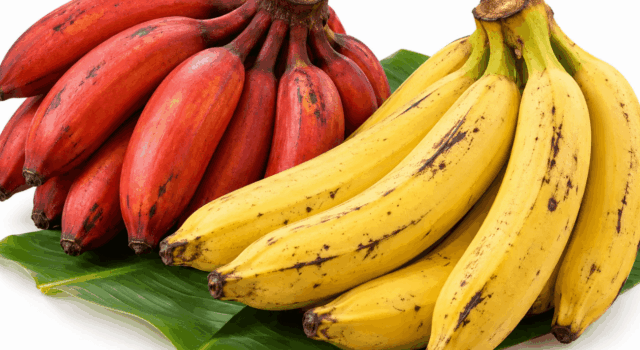
Two of the most famous Kerala banana varieties are plantain—the large yellow banana—and red banana.
Red Banana & Plantain
Red banana is a variety with reddish-purple skin and is generally smaller than many other bananas. Compared with common yellow bananas, red bananas are usually sweeter and softer.As the fruit ripens, its flavour becomes sweeter.
Red bananas are eaten in much the same way as yellow bananas and are available throughout the year.
Plantain is used in many forms in Kerala cuisine. The famous Kerala banana chips are made from plantain, while numerous sweets and savoury dishes also use it.
Raw plantain is particularly good for making crisps. It is also a source of potassium and dietary fibre.
Colocasia – Chembu
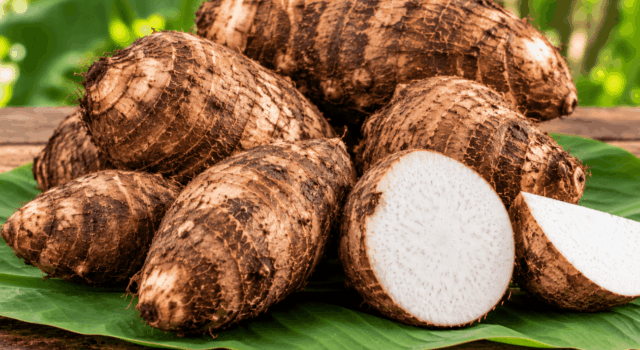
Colocasia, known as chembu in Kerala, is a tuber where both the leaves and root can be used for cooking. The plant is sometimes called elephant ear because of the shape and large size of its leaves.Chembu has a high starch content and a naturally sticky texture. It works particularly well for sautéing and stir-frying, especially with grated coconut.It is also used in traditional Kerala preparations and vegetable curries.
Banana Flower and Stem
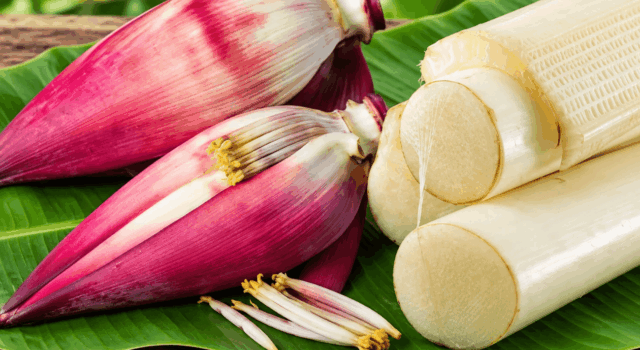
Banana flower is taken after the banana plant has developed and is commonly used in Kerala cooking as a vegetarian ingredient.
The banana stem is the innermost white part of the stem and has an appearance somewhat similar to palm heart. Both banana flower and stem oxidise quickly after cutting, so they are usually kept in water until required for cooking.
Asafoetida
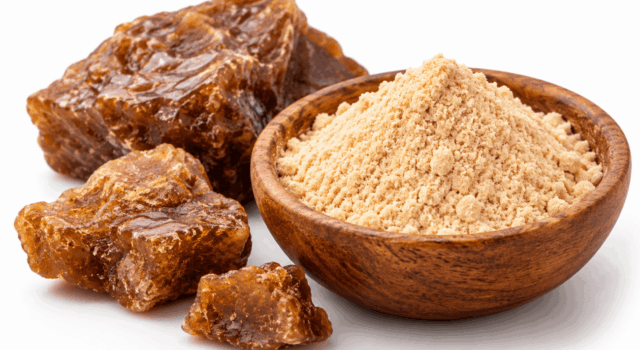
Asafoetida is obtained from plants belonging to the Ferula group and has long been used in Indian cooking.It is commonly sold in two forms: solid resin or cake and powdered asafoetida. Traditionally, some Kerala households used solid asafoetida diluted in lukewarm water before adding it to food.Raw asafoetida has a very strong and somewhat unpleasant aroma. Once heated in oil or ghee, however, the flavour changes and becomes much more appetising.It is particularly useful in vegetarian cooking, where even a small amount can give a distinctive aroma to the finished dish.
Jackfruit
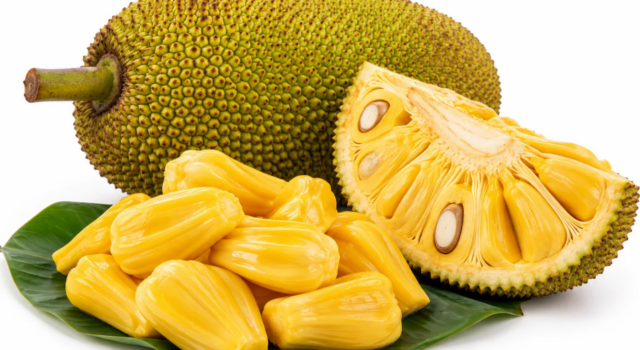
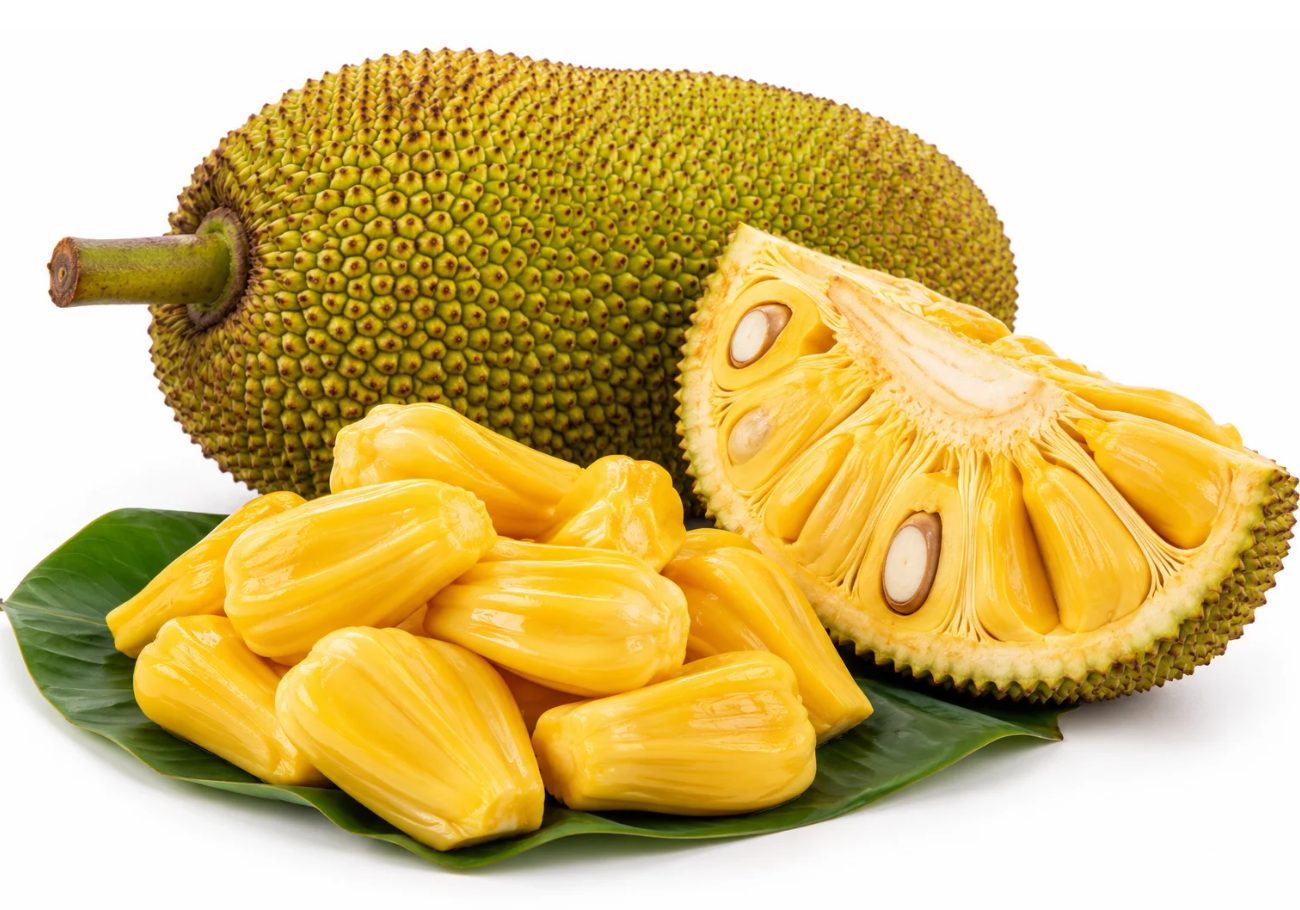
Jackfruit is one of the largest tree-borne fruits and grows extensively in tropical climates.In Kerala cuisine, jackfruit has its own respected place and is used in both its raw and ripe forms.Young jackfruit can be cooked as part of savoury preparations, while ripe jackfruit is naturally sweet and used for desserts and preserves.Traditionally, households preserved a good harvest of ripe jackfruit by preparing jackfruit jam or preserve in larger quantities. This could later be turned into payasam by adding coconut milk.It was a practical way of preserving the seasonal fruit while creating something that could be enjoyed later.
Drumstick
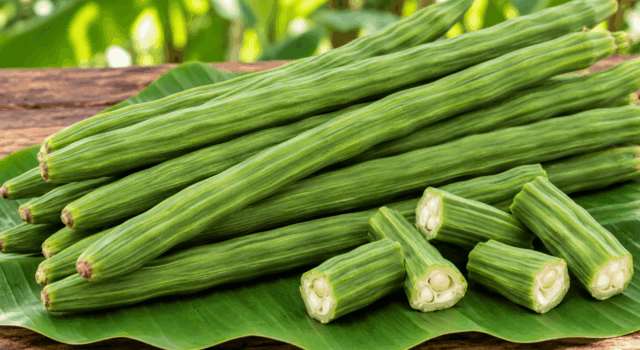
Drumstick, or moringa, is taken from the drumstick tree and is one of the commonly used vegetables in Kerala cooking.It is an important ingredient in curries and side dishes such as:
- Sambar
- Theeyal
- Thoran
The leaves of the drumstick tree are also used for cooking. They can be prepared in a similar way to other leafy vegetables.Drumstick trees are commonly seen around Kerala homes, which has helped make both the pods and leaves familiar ingredients in home cooking.
Toddy
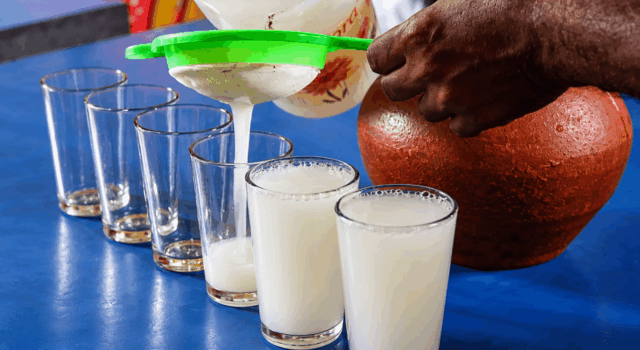
Toddy is a traditional alcoholic beverage of Kerala collected from the sap of coconut or palm trees.The sap is traditionally collected in a pot from the flower-bearing part of the tree. Fresh toddy can initially taste sweeter, while fermentation gradually increases its alcoholic character.Toddy also has an important connection with Kerala cooking.Traditionally, it was used to help ferment the rice batter used for appam, or hoppers.
Today, yeast is commonly used instead, but toddy remains closely associated with Kerala's traditional food culture.
Kerala Ingredients and Traditional Cooking
The character of Kerala cuisine comes from more than individual recipes. It comes from ingredients that have been available locally and used in homes for generations.Tapioca with fish curry, plantain for chips, brown rice with curries, chembu and chena in vegetable preparations, coconut in countless forms, jackfruit during the season, drumstick in sambar and toddy in traditional fermentation all tell part of the story of Kerala food.These ingredients are simple, but the way they are used gives traditional Kerala cooking its distinctive identity.