Professional Kitchen Equipment and Techniques for Modern Indian Cuisine
The culinary world is changing at a fast pace according to guest preferences and the demands of a travelling community. Many Indian chefs abroad are leading the way in modernising Indian cuisine.There are a large number of fine dining Indian restaurants around the world, especially in major metropolitan and tourist cities. The Michelin Guide has also started recognising Indian cuisine in a big way. In London itself, several Indian fine dining restaurants have earned Michelin stars over the years.
Chefs are more educated and informed, so they try to incorporate modern cooking techniques and international food presentation standards into Indian cuisine. The use of professional kitchen equipment has also opened up new possibilities for improving traditional cooking methods.However, some chefs go too far with the use of molecular gastronomy in Indian cooking, simply copying what other cuisines are doing. This could lead to the loss of authenticity and individuality in Indian cuisine. As cuisines evolve, there may come a day when Indian cuisine becomes known mainly as fusion cuisine.
Somewhere, we need to take a step towards protecting the ethnicity and originality of Indian cooking.Our request at FineDiningIndian.com to Indian chefs in the modern culinary world is to research our best recipes and simplify their cooking processes by adopting modern techniques. Keep the recipes easy to adapt, healthier where possible, and free from confusing combinations of flavours. A good colour combination and amazing textures can enhance the final presentation.
Tradition and History of Indian Cuisine
Indian cuisine has a long history of culinary evolution, with traditions tracing back thousands of years. Indian cooking is blessed with an abundant source of natural ingredients.Indian cuisine has also been influenced by Ayurveda, the traditional Indian system of medicine, which makes use of plants, spices and herbs.When we examine the basics of Indian cuisine, we find turmeric, ginger and garlic commonly used in many Indian sauces and gravies. These ingredients have long been valued in traditional cooking for their flavour and their association with digestive health.
Indian cuisine is famous around the world for its curries. Much of this popularity should be credited to the immigrant Indian community across the globe.Restaurants, curry houses and takeaways have made Indian cuisine a popular and adventurous choice for people looking to enjoy spicy food on a weekend night out. This has also led to the misconception that Indian cuisine is mainly about curry.When trying to create modern Indian cuisine, always remember our great cooking traditions and the originality of each recipe.Keep this essence as the foundation when incorporating different modern cooking techniques. Many traditional dishes are rich and heavy, so the focus should also be on simplifying these recipes into lighter versions without losing their character.
Modern Cooking Techniques and Professional Kitchen Equipment
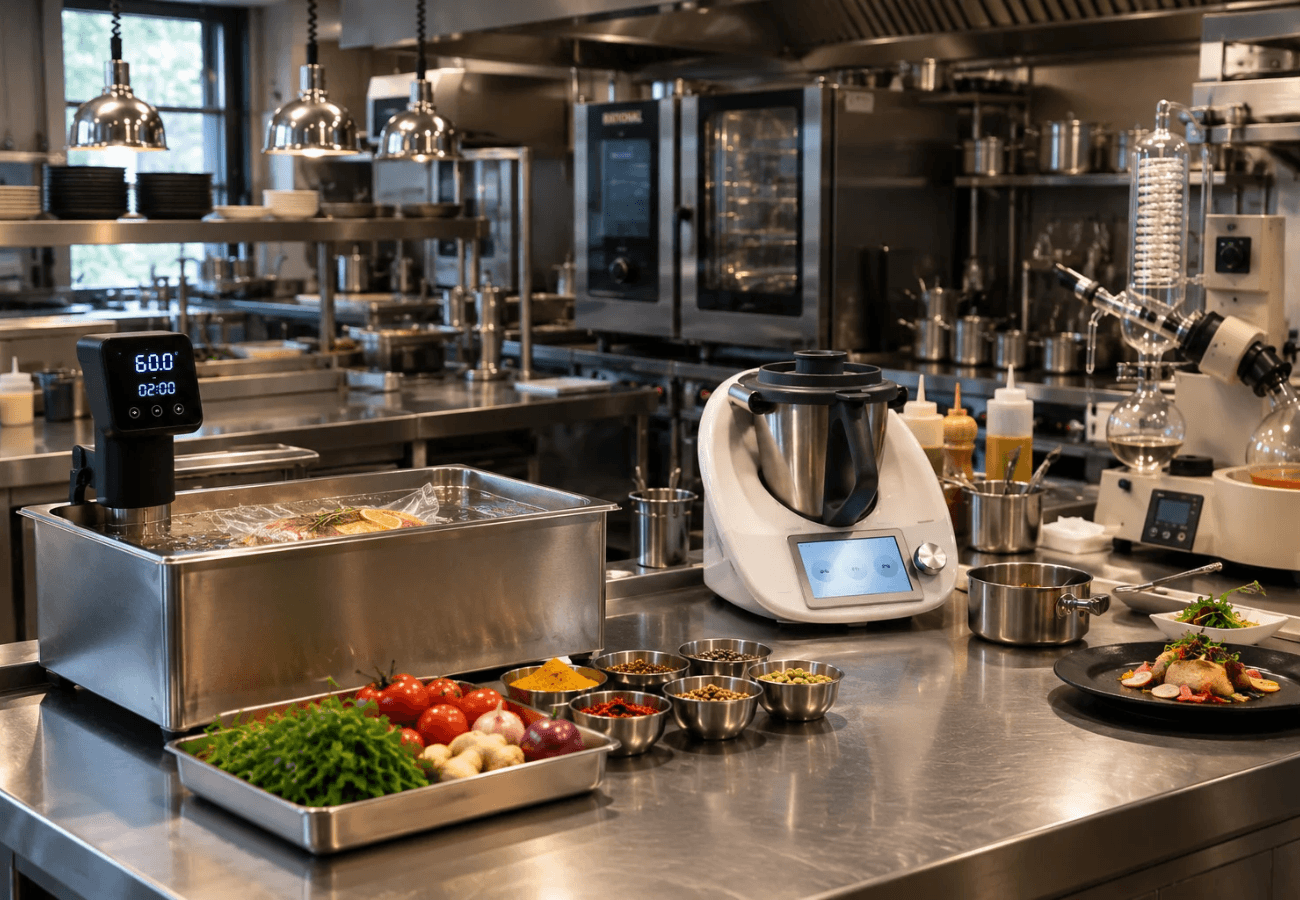
Modern cooking equipment should be incorporated into Indian kitchens to achieve better results, not to dilute the originality of our cuisine.The following equipment and techniques offer opportunities for Indian chefs to improve cooking precision, flavour extraction, food textures and presentation
Sous Vide – Temperature-Controlled Water Bath
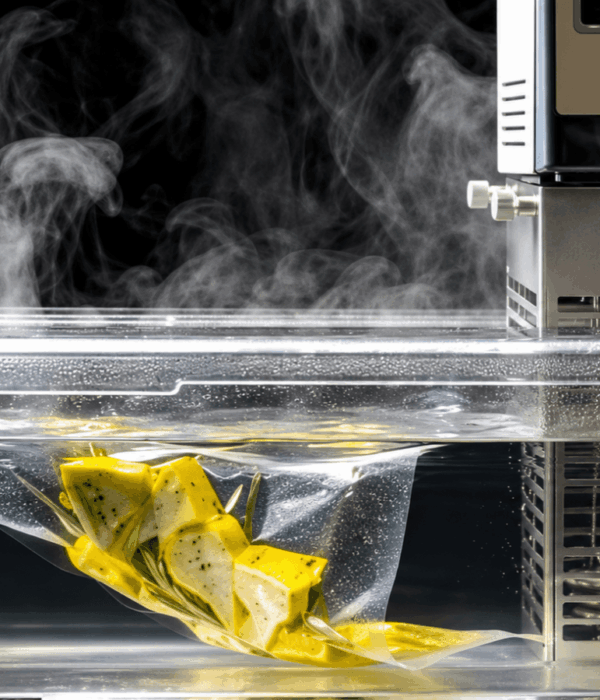
Sous vide is a method of cooking food sealed in suitable food-grade bags in a precisely controlled water bath.Cooking times may extend to 72 hours for certain preparations, with temperatures often much lower than those used in conventional cooking.The intention is to cook food evenly without overcooking the outside while keeping the inside at the desired level of doneness and retaining moisture.
The time and temperature must be appropriate for the food, including its thickness and the required level of food safety.
Use in Indian Kitchens
Sous vide can be used extensively for certain tandoori dishes where high heat is traditionally applied.
The meat can first be cooked using sous vide and then finished in the tandoor to develop a smoky flavour and browned exterior while maintaining the desired internal texture.It can also be useful for banquet operations, bulk cooking and supplying satellite kitchens.
However, storing and transporting sous vide products requires properly controlled chilling, refrigeration and food safety procedures.
Molecular Gastronomy Techniques – Progressive Cooking
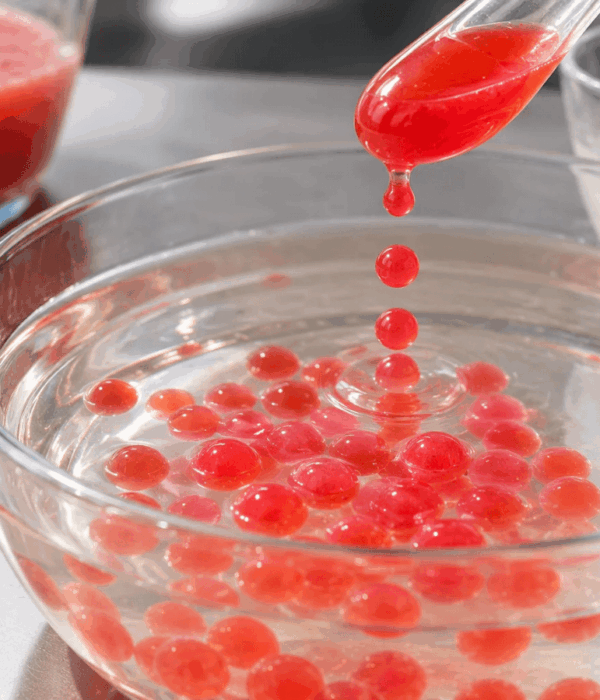
Molecular gastronomy is a field that investigates the physical and chemical transformations of ingredients during cooking.It also examines the scientific, artistic and technical aspects of food preparation.In professional kitchens, molecular gastronomy techniques are used to explore textures and presentations that may be difficult to achieve through conventional cooking.The term molecular gastronomy was introduced in 1988 by physicist Nicholas Kurti and physical chemist Hervé This.
Some chefs associated with the term prefer expressions such as culinary physics, experimental cuisine or progressive cooking.
Use in Indian Kitchens
Many products are commercially available that can help create interesting visual and textural effects in Indian cuisine.
For example:
- Fruit falooda prepared with agar to create gel-based textures without relying on traditional starch preparations.
- Rabdi presented as an aerated foam or espuma using suitable whipping or foaming techniques, with lecithin where appropriate.
These techniques should enhance traditional Indian flavours rather than disguise them.
Rotary Evaporator – Low-Temperature Distillation
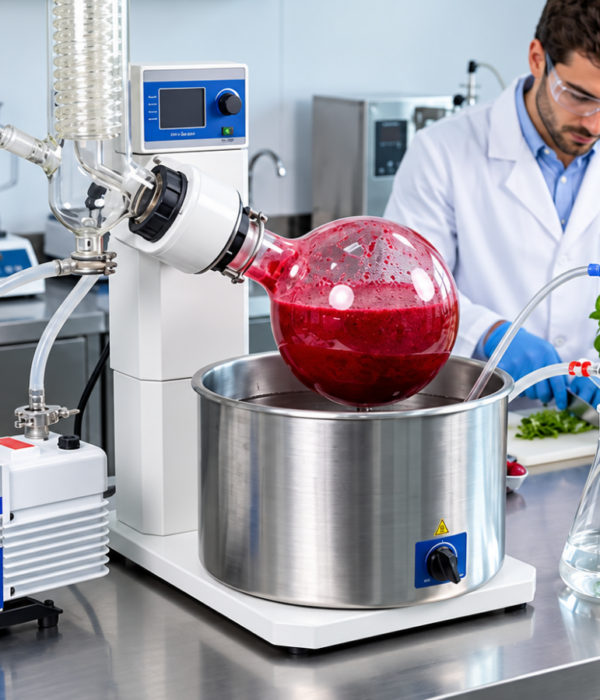
A rotary evaporator is equipment originally developed for chemical laboratories to remove volatile solvents efficiently and gently through evaporation under reduced pressure.Rotary evaporators are also used in molecular cooking for preparing aromatic distillates and concentrated extracts.
The reduced pressure allows liquids to evaporate at lower temperatures, which can help preserve delicate aromas that might otherwise change during high-temperature cooking.
Use in Indian Kitchens
This is expensive modern kitchen equipment and may be more suitable for high-end fine dining restaurants where the investment can be justified.It can be used to experiment with distilled shorbas, such as:
- Water-clear tomato shorba.
- Beetroot shorba with carefully extracted aromatic notes.
The technique offers opportunities to develop new presentations while retaining the recognisable flavours of traditional Indian preparations.
Food Dehydrator – Preserving Flavours and Textures
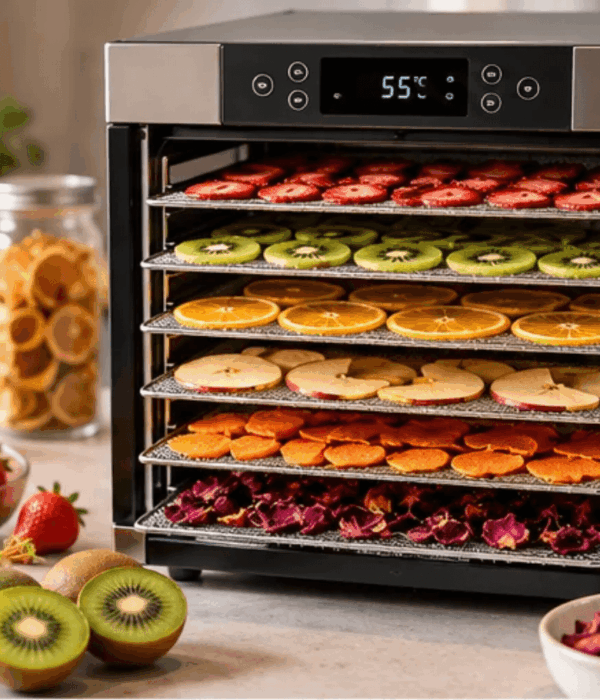
A food dehydrator is a device that removes moisture from food to assist in preservation.It uses controlled heat and airflow to reduce the water content of ingredients.Fruits and vegetables generally contain a high percentage of water, while meat also contains considerable moisture.Removing moisture helps limit the growth of microorganisms and reduces the weight of the food.
However, drying does not automatically make every food safe for long-term storage. Safe dehydration and storage conditions depend on the ingredient and its final moisture content.
Use in Indian Kitchens
Food dehydrators can be used to prepare:
- Dried fruit garnishes.
- Edible rose petals and flowers.
- Crispy vegetable garnishes.
- Dried herbs and other decorative ingredients.
These preparations can introduce crispy and crunchy textures into modern Indian food presentation.Properly dried ingredients may also be stored for later use, provided suitable food safety and storage conditions are maintained.
Thermomix – Multifunctional Cooking Equipment
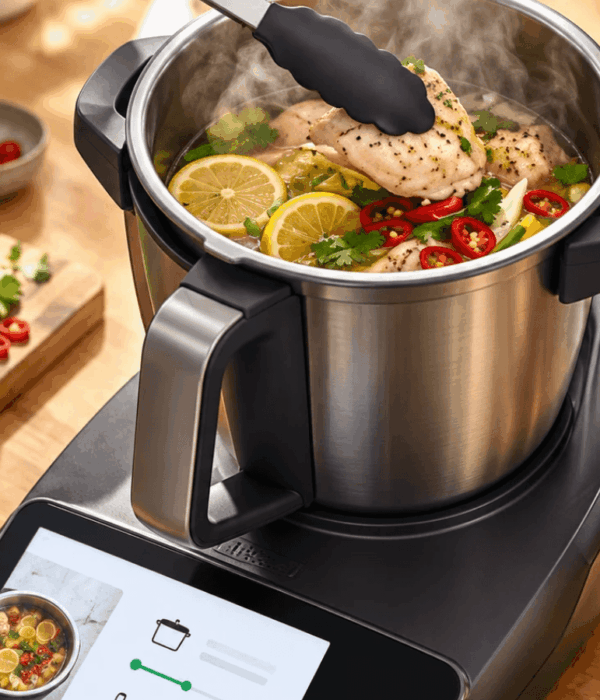
Thermomix combines several kitchen functions in one appliance.It can work as a mincer, grater, dough maker, whisk, blender, mill, coffee grinder, spice grinder, electronic weighing scale and food processor.It can also whip, emulsify, crush, mix, steam and cook, depending on the model and accessories used.
What makes the equipment particularly useful is its ability to combine preparation and cooking in a single machine.
Use in Indian Kitchens
Thermomix offers many opportunities for Indian cooking.It can be used to grind spices, prepare spice mixtures and develop smooth curry pastes.Masala mixtures can be prepared from raw ingredients through different stages of cooking in the same appliance.
With controlled blending and heating, chefs can produce consistent textures and flavours.Its uses are not limited to these applications.
The possibilities depend on the creativity and imagination of the chef
Gastrovac – Vacuum Cooking and Flavour Infusion
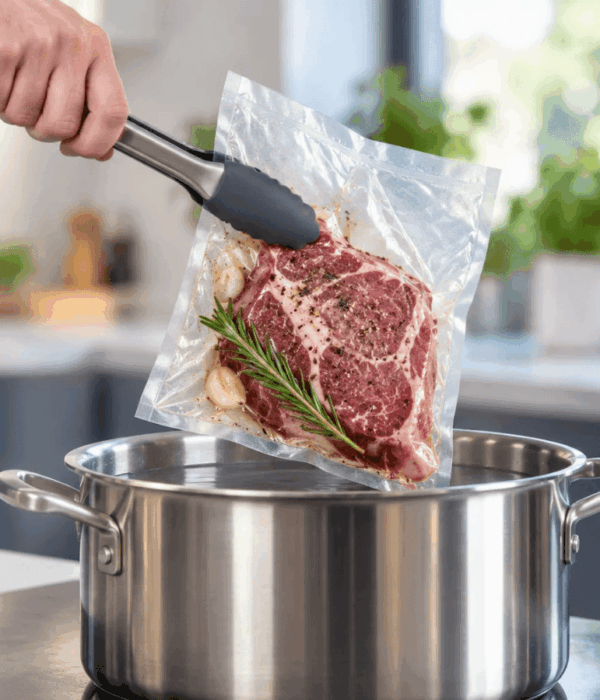
Gastrovac is a compact appliance developed for cooking, frying and impregnating food under vacuum.By creating a low-pressure environment, it can reduce the temperatures required for certain cooking processes.The equipment is designed to help maintain food texture, colour and other qualities while offering a different approach to flavour infusion.
One of its distinctive characteristics is the sponge effect.When atmospheric pressure is restored, porous ingredients can absorb surrounding liquids, creating opportunities for new combinations of foods and flavours.The original Gastrovac system also incorporates a basket that can be raised inside the chamber while maintaining the vacuum.
Use in Indian Kitchens
Gastrovac is another piece of specialist equipment recommended mainly for fine dining restaurants because of its cost.It can be particularly interesting for Indian pickling preparations.Through vacuum impregnation, chefs can experiment with introducing pickling liquids and spices into suitable ingredients while maintaining their original structure.This could provide a new dimension to traditional Indian pickles, creating different textures and flavour combinations.
The technique should be explored carefully so that the recognisable identity of Indian pickling is maintained.
Maintaining Authenticity in Modern Indian Cuisine
Modern equipment offers considerable possibilities for Indian chefs, but the intention should always be to improve our cooking methods rather than replace traditional flavours.
Sous vide, molecular gastronomy, rotary evaporation, dehydration, Thermomix and Gastrovac can all contribute to more consistent cooking, interesting textures and creative presentations.
The challenge is to choose the right technique for the right preparation.
Modern Indian cuisine should continue to reflect our regional cooking traditions, ingredients and flavours, even when professional kitchen equipment is used to achieve better results.