
How to Make Chicken Thoran With Gizzard (Peshani)

Lakshan
August 7, 2016
No Reviews
Ingredients
Adjust Servings
| 500gm Chicken (cut into small pieces) boneless | |
| 300gm Onions sliced | |
| 20gm Garlic chopped | |
| 20gm Ginger chopped | |
| 4gm Green chillies chopped | |
| 2Tspn Chicken masala powder | |
| 1Tspn Pepper crushed | |
| 1Tspn Cumin seeds | |
| 100gms Coconut grated | |
| As Needed Curry leaves | |
| 20gms Coriander leaves | |
| As Needed Salt | |
| As Needed Oil | |
| 5gms Mustard seeds | |
| 10gms Urad Dal | |
| As Needed Bay Leaf |
Nutritional Information
11.8g
Fat
22.5g
Protein
1.2g
Sugars
220 kcal
Calories
4.3g
Carbs
8.5g
Trans fat
Directions
1.
Marinate the Meat
Start by cleaning and cutting the gizzards thoroughly. Place them in a mixing bowl and add your first round of spices: turmeric powder, coriander powder, chilli powder, and salt. Mix everything well using your hands so the meat is evenly coated.
Mark as complete
2.
Pressure Cook for Tenderness
Because gizzard is a tougher muscle, it needs pressure cooking to break down. Transfer the marinated meat to a pressure cooker along with a splash of water. Cook it for about 10 minutes on a medium flame. Once done, let the pressure release naturally. If there is excess liquid left, reduce it down on the stove until you get a thick, concentrated sauce.
Mark as complete
3.
Prepare the Tempering
Place a wide saucepan or wok over medium heat. Add the coconut oil. Once hot, drop in the mustard seeds and let them splutter. Add the dried red chillies, followed by the finely sliced ginger and chopped garlic. Sauté for a minute until fragrant.
Mark as complete
4.
Build the Flavors
Toss in your sliced shallots and fresh curry leaves. Sauté until the shallots turn soft and translucent. Now, add the second round of dry spices: turmeric powder and coriander powder. Stir constantly so the spices toast without burning, then mix in the crushed black pepper.
Mark as complete
5.
Combine and Simmer
Pour the cooked gizzards—along with that reduced, flavorful sauce from the pressure cooker—into the saucepan. Mix everything together well. Keep the flame on low and cook until the mixture gets semi-dry. The gizzard should absorb all those beautiful toasted spices.
Mark as complete
6.
The Coconut Finish
Finally, add the freshly grated coconut to the pan. Stir it through the meat for just a minute or two and turn off the heat.
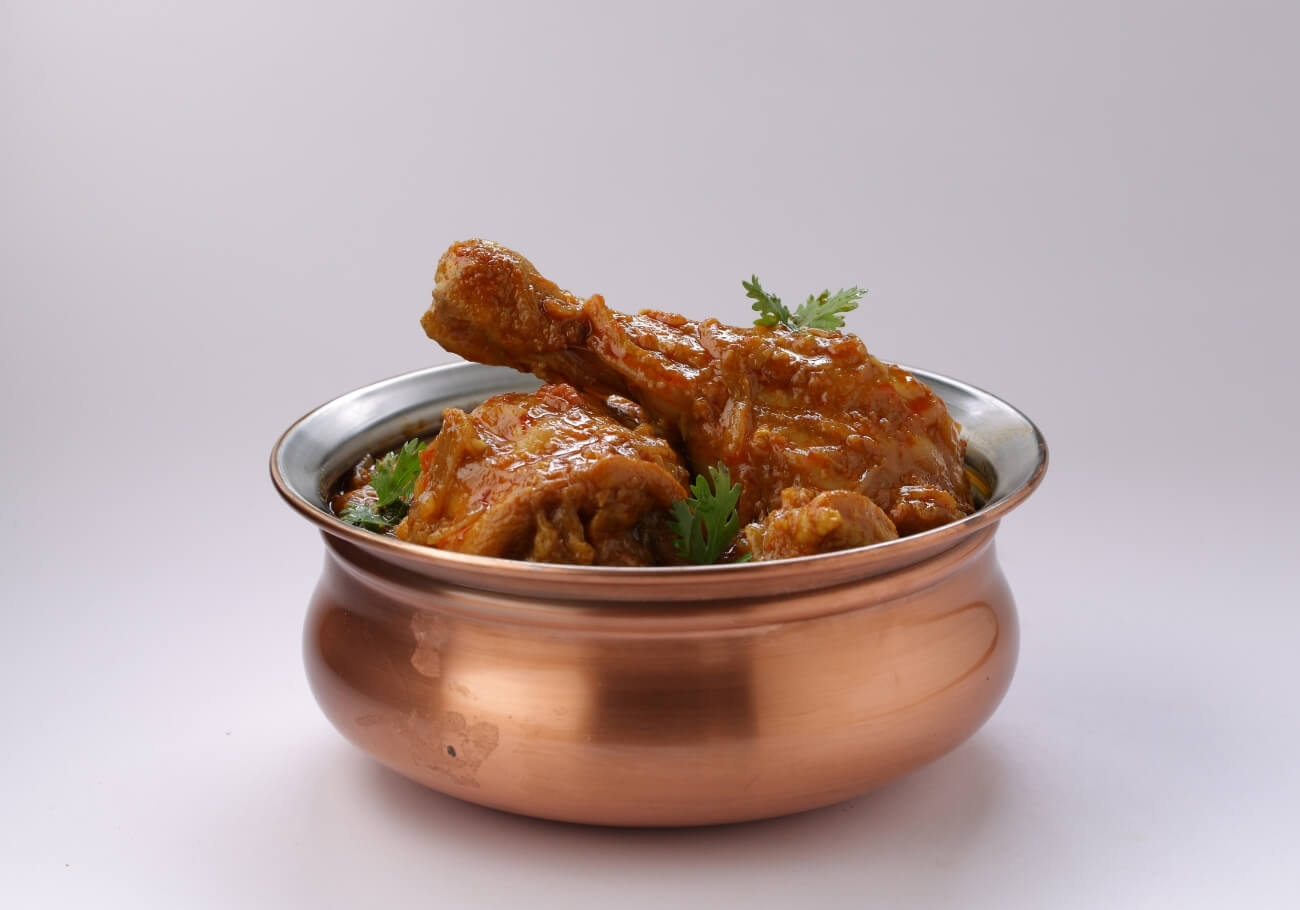
Plate the dish in a wide bowl and top it with a few thin slices of fresh coconut. Serve this hot alongside rice and curry for a truly authentic dining experience.
Mark as complete
Notes
*Nutrition info is a rough estimate based on the ingredients. Note that values may vary from case to case.
*As with all recipes, there is a number of ways you can get things done. If you believe that some of the instructions can be improved, or have a good alternative solution, feel free to leave a comment.
Leave a Reply